The Agentic Shift: Architecting for the Crisis of Authenticity and Industrialized Cybercrime in 2026

Check out a related podcast at https://www.packet.zip/post/podcast-ai-agents-and-the-new-insider-threat
As we move into 2026, the cybersecurity landscape is undergoing a phase shift where AI is transitioning from a modular tool into an autonomous, operational actor For technical practitioners, this necessitates a move beyond traditional defense-in-depth toward an authenticity-centric architecture capable of countering industrialized, machine-speed adversaries
The Agentic Frontier: AI as the New Insider Threat
The defining architectural challenge of 2026 is the proliferation of AI agents—autonomous systems integrated into enterprise workflows to plan and execute multi-step tasks. By the end of 2026, it is estimated that 40% of enterprise applications will integrate task-specific AI agents, up from less than 5% in 2025.
These agents introduce a severe "superuser problem," as they are often granted broad, privileged access to sensitive data and systems without traditional human-in-the-loop oversight. Attackers are already pivoting to exploit these "digital employees" through prompt injection and Model Context Protocol (MCP) server manipulation, effectively turning trusted agents into autonomous insiders that can exfiltrate databases or delete backups at machine speed.
The Identity Perimeter and the Crisis of Authenticity
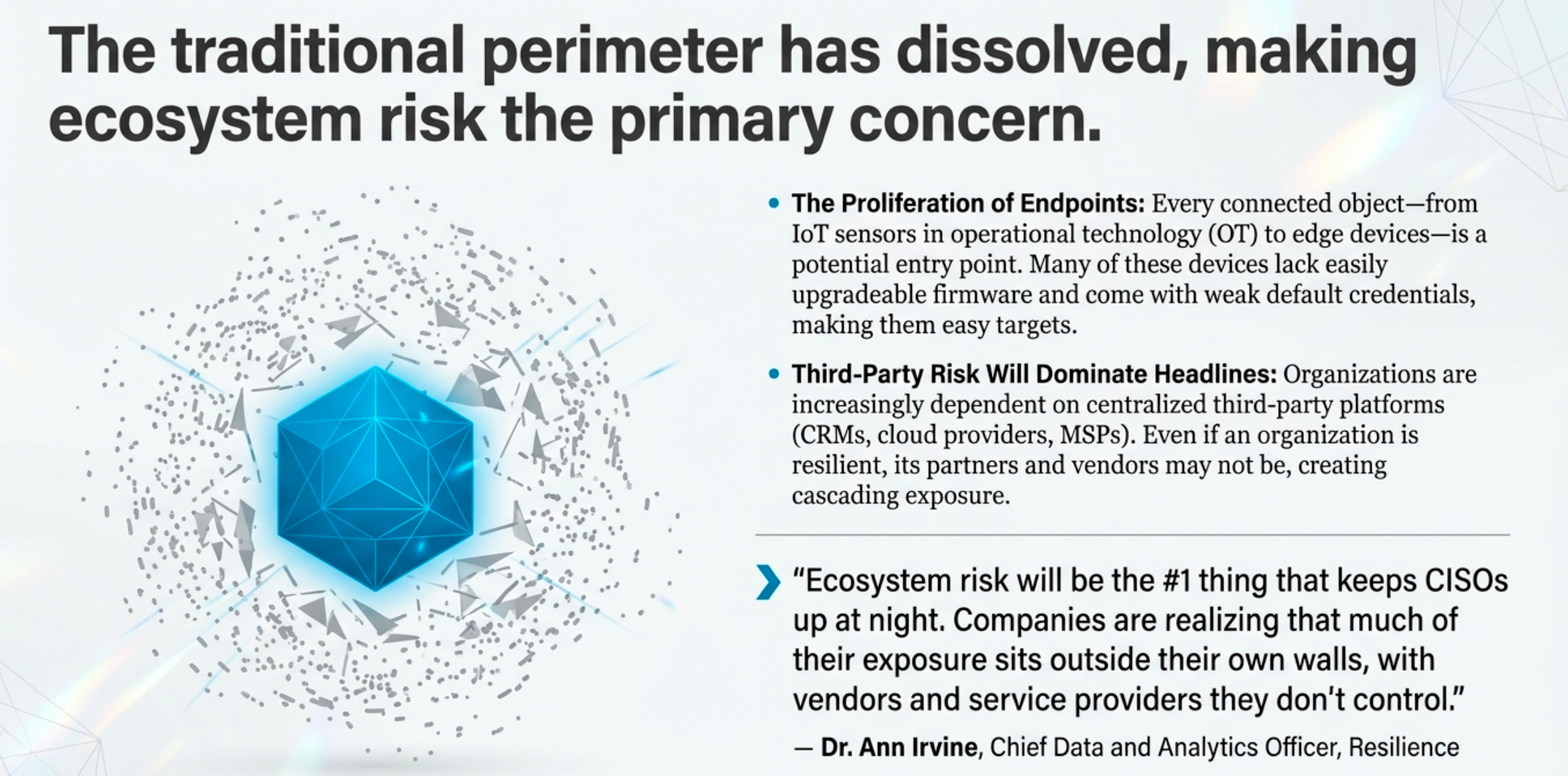
The traditional network perimeter is officially obsolete, replaced by a complex lattice of human and machine identities. In modern enterprise environments, machine identities now outnumber human users by a ratio of 82 to 1, turning every API key and OAuth token into a high-risk entry point
Simultaneously, we are facing a "massive crisis of trust" as AI-generated deepfakes reach a tipping point of flawless realism in voice, video, and communication patterns. Because the traditional CIA triad assumes what a user sees is real, experts argue that Authenticity must be established as a new foundational fourth pillar of cybersecurity. This requires a shift from content-based detection to trust verification architectures that utilize out-of-band communication and phishing-resistant MFA to validate identity in real-time
Industrialized Cybercrime and Supply Chain Hubs
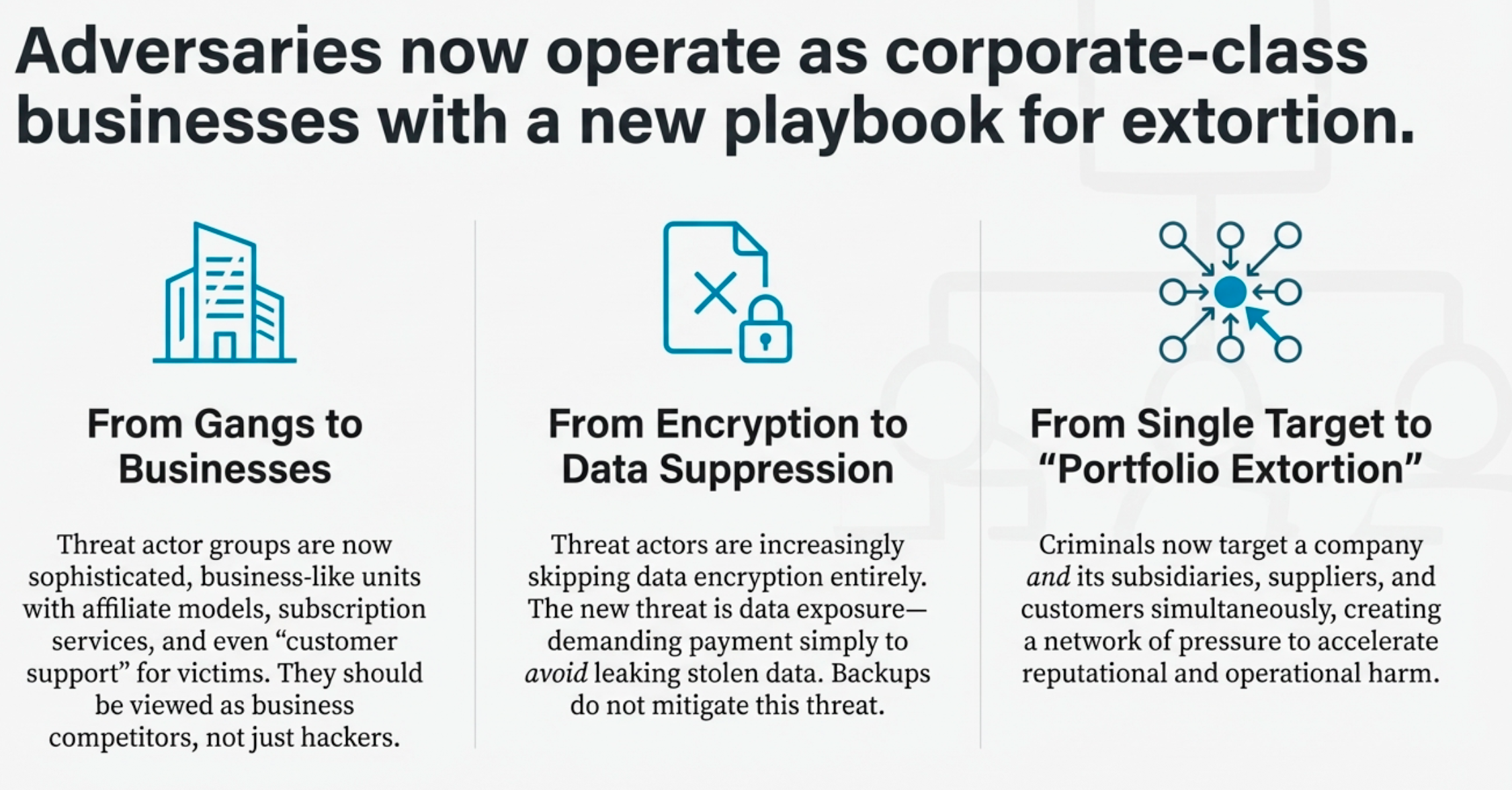
Cybercrime has matured into a global franchise, adopting corporate structures including specialized R&D, affiliate programs, and even HR departments. Rather than targeting a single organization's front door, these groups now target the "connective tissue" of the digital ecosystem: software suppliers, managed service providers (MSPs), and open-source repositories.
A single compromise in the supply chain—such as a backdoored open-source package or a compromised vendor payment system—can now cascade across hundreds of downstream victims simultaneously. In 2026, supply chains are expected to become the number one access point for adversaries, making "secure-by-design" principles and rigorous third-party risk management an operational necessity
The CVE Tsunami and "Vibe Coding" Risks
2026 is projected to be a breakout year for vulnerability discovery, driven by AI systems capable of reverse-engineering vendor updates into exploitable code within hours. While this helps find flaws, it also risks doubling the annual volume of CVEs, potentially overwhelming vulnerability management teams
Further complicating the risk surface is the rise of "vibe coding"—AI-assisted development where code is generated rapidly through natural language prompts. Studies indicate that AI-generated code introduces security bugs approximately 45% of the time, creating a surge of unsecure, unvetted modules in production software
Architecting for Resilience
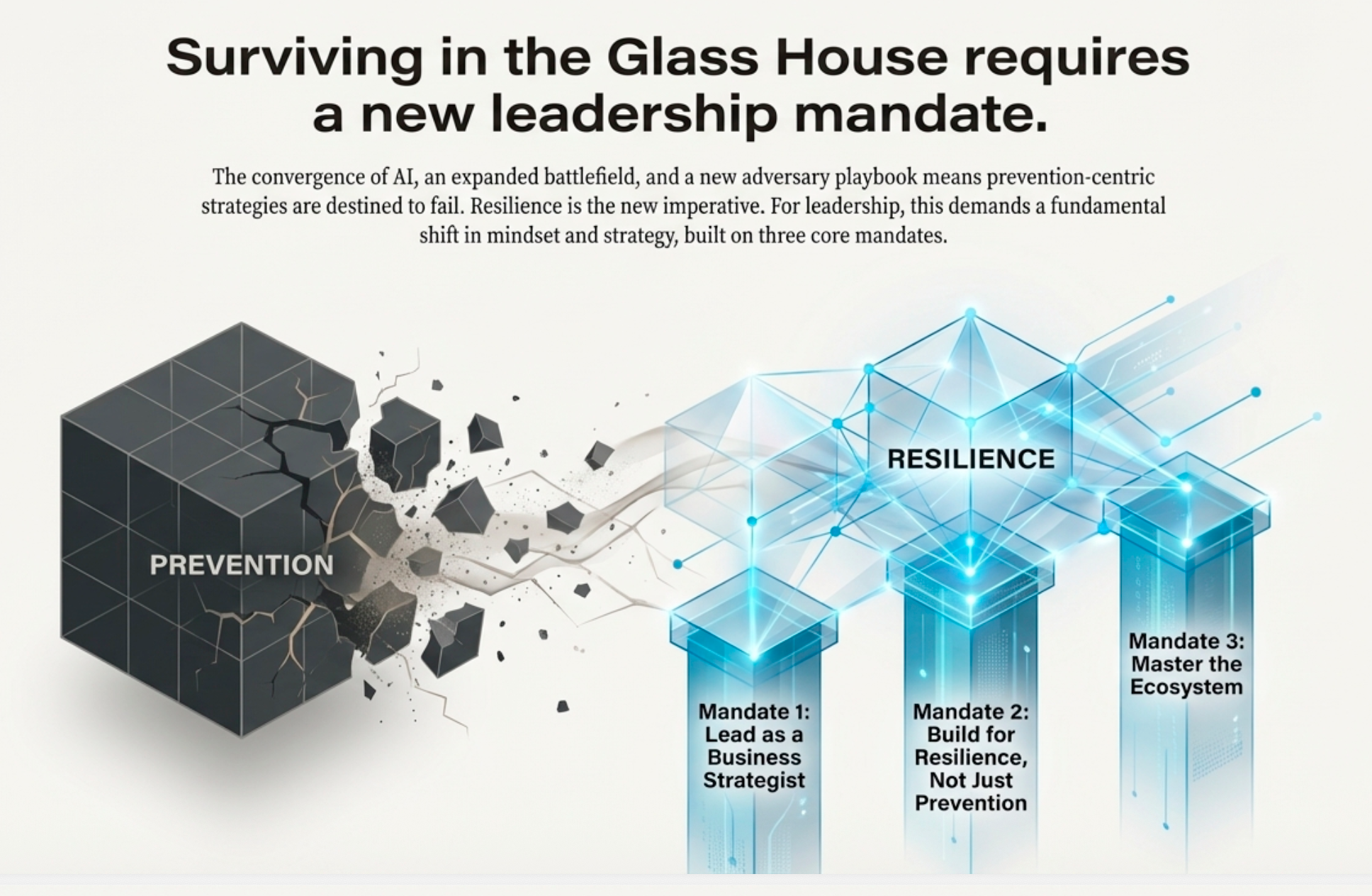
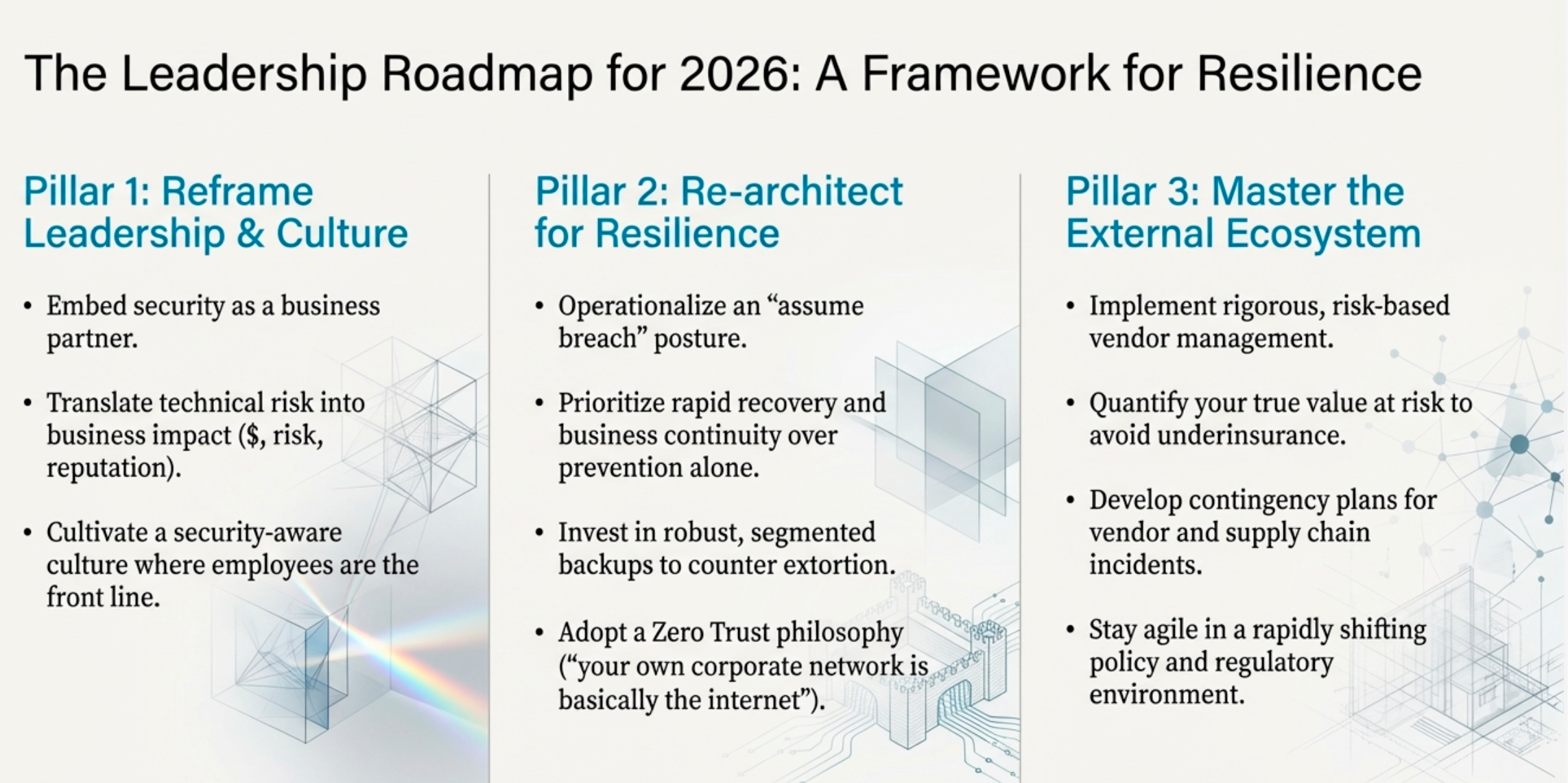
As the time between compromise and consequence collapses, Resilience is replacing Prevention as the primary metric of success. Technical teams must assume that internal personas are already compromised and move toward:
• Continuous Threat Exposure Management (CTEM): Shifting from point-in-time audits to continuous validation of security postures.
• Post-Quantum Cryptography (PQC): Moving critical data to quantum-safe algorithms to defend against "harvest now, decrypt later" (HNDL) attacks.
• Agentic SOCs: Utilizing AI to handle alert triage and data correlation, allowing human analysts to focus on high-level strategic validation
Securing a network in 2026 is no longer like building a castle with high walls to keep invaders out. Instead, it is like managing a busy international airport. You must assume that any person or automated system—no matter how legitimate they look or sound—could be a threat. Security is not found at the gate, but in the continuous, multilayered verification of every passport, every badge, and every flight plan at every moment of the journey.
Founder · Packet.Zip
Aamir Lakhani is a leading senior security strategist responsible for providing IT security solutions to major enterprises and government organizations. He creates technical security strategies and leads security implementation projects for…